Multi-Cloud Cost Management
What is Multi-Cloud Cost Management?
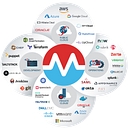
Multi-cloud cost management is the set of processes, controls, and tooling that monitor, allocate, and optimize spend across services from two or more public cloud providers under a single financial and governance strategy.
Expanded Explanation
1. Technical Function and Core Characteristics
Multi-cloud cost management tracks and analyzes resource consumption and pricing data across multiple public cloud platforms, usually at the level of accounts, subscriptions, projects, resource tags, and services. It provides unified visibility into usage, charges, discounts, and commitments, and aligns this data with organizational hierarchies such as business units or cost centers.
Show more
Core capabilities include cost allocation and chargeback or showback, anomaly detection, budget enforcement, and rightsizing or scheduling recommendations based on utilization metrics. It often normalizes different provider billing formats, supports policy-based governance for spend, and integrates with financial planning and enterprise reporting systems.
2. Enterprise Usage and Architectural Context
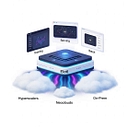
Enterprises use multi-cloud cost management to coordinate financial operations across heterogeneous cloud estates that may include infrastructure, platform, and managed services from multiple hyperscale providers. It usually sits within a FinOps operating model that involves collaboration among finance, central cloud teams, and application owners.
Architecturally, multi-cloud cost management consumes billing exports, usage metrics, and configuration data from each provider and aggregates them in a centralized data store for analysis and reporting. It may interface with configuration management databases, identity and access management systems, and policy engines to enforce guardrails on provisioning and spending.
3. Related or Adjacent Technologies
Multi-cloud cost management relates to cloud cost management and optimization platforms, FinOps practices, and cloud financial management frameworks. It also aligns with tagging strategies, resource governance tools, and cloud management platforms that orchestrate workloads across providers.
Adjacent domains include IT financial management, enterprise performance management, and service management, which use cost and usage data for budgeting, forecasting, and portfolio decisions. Security and compliance tooling may use the same inventory and configuration data that cost management systems collect from multi-cloud environments.
4. Business and Operational Significance
Multi-cloud cost management supports financial accountability, reduces unused or underutilized resources, and helps organizations align cloud consumption with budgets and contractual commitments. It enables finance and technology leaders to understand unit economics, such as cost per application, service, or customer.
It also supports vendor and contract negotiations by providing data on usage patterns, discount effectiveness, and commitments across providers. Operationally, it underpins governance policies for provisioning, tagging, and decommissioning in complex environments where teams consume services from multiple clouds.
Our definition.