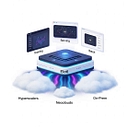
Data Egress Optimization
What is Data Egress Optimization?
Data egress optimization is the practice of minimizing the volume, frequency, and cost of data transferred out of a system or cloud environment while maintaining required performance, availability, security, and compliance outcomes for workloads and users.
Expanded Explanation
1. Technical Function and Core Characteristics
Data egress optimization manages outbound data flows through techniques such as Traffic Engineering (TE), compression, caching, deduplication, routing control, and policy enforcement. It focuses on how data exits data centers, clouds, networks, and platforms to limit unnecessary transfers.
Show more
Architectures for data egress optimization monitor and classify data flows, apply controls based on policies, and select routes or peering options that reduce cost and latency. They also coordinate with security controls to maintain encryption, access control, and logging for outbound data.
2. Enterprise Usage and Architectural Context
Enterprises use data egress optimization to control cloud egress fees, inter-region transfer charges, and bandwidth consumption between on-premises (on-prem) systems, cloud services, and external partners. It appears in architectures that include hybrid cloud, MCNS, content delivery, and data replication.
Architects implement data egress optimization through placement of workloads and datasets, use of private connectivity, geo-local processing, and governance of export patterns for analytics, backup, and Software-as-a-Service (SaaS) integration. Network and security teams coordinate policies to avoid conflicts with Data Loss Prevention (DLP) and zero trust controls.
3. Related or Adjacent Technologies
Data egress optimization relates to Wide Area Network (WAN) optimization, software-defined WAN, MCNS, TE, and content delivery networks, which all manage how data traverses networks. It also intersects with Data Lifecycle Management (DLM) and storage tiering strategies that affect where data resides.
Security technologies such as DLP, cloud access security brokers, and zero trust network access interact with data egress optimization by constraining which data may exit and under what conditions. Cost management and FinOps practices reference egress metrics to monitor and govern outbound transfer spending.
4. Business and Operational Significance
Data egress optimization affects Operational Expenditure (OpEx) by limiting metered egress charges from cloud providers and network carriers and by reducing bandwidth utilization. It supports service-level objectives by aligning routing and peering decisions with latency and throughput requirements.
Organizations also use data egress optimization to support compliance and data residency requirements by constraining cross-border transfers and enforcing approved export paths. It provides measurable telemetry that stakeholders use in capacity planning, provider contract evaluation, and architectural decisions about workload and data placement.
Our definition.